

History of Kyokushin
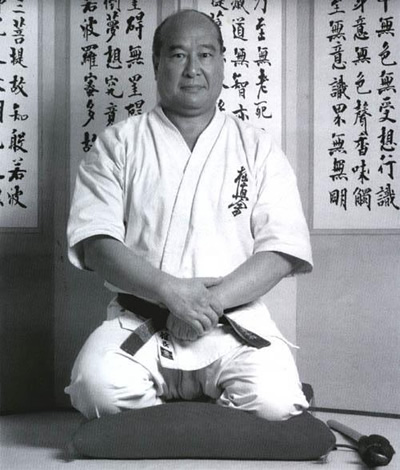
The Youth of Masutatsu Oyama
Masutatsu Oyama, the founder of Kyokushin Kai Kan karate, was born in South Korea in 1923. At the age of nine, he moved with his sister to Manchuria, in southern China, where he studied Chinese Kempo. At the age of 12, he returned to Korea, where he continued to practice Korean Kempo. In 1938, at the age of 15, he left for Japan to become a fighter pilot. After studying judo, he became a student of Master Gichin Funakoshi. He obtained his 2nd dan at the age of 17 and his 4th dan at the age of 20. He then learned Goju Ryu karate under the tutelage of Korean master So Nei Chu. It was he who encouraged Mas Oyama to dedicate his life to karate and to withdraw from civilization in order to train his body and mind.
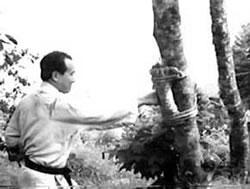
Mount Kiyosumi
Mas Oyama went into exile twice in the mountains to train in solitude. He stayed 14 months in Minobu Mountain, then 18 months in Kiyosumi Mountain. He trained day and night while practicing Zen meditation. He trained for about 12 hours a day: he broke stones with his bare hands, used tree trunks as makiwara, and meditated under icy waterfalls to forge a mind and body of steel. Every day, he studied the classics of the ancient martial arts masters, Zen, and philosophy.
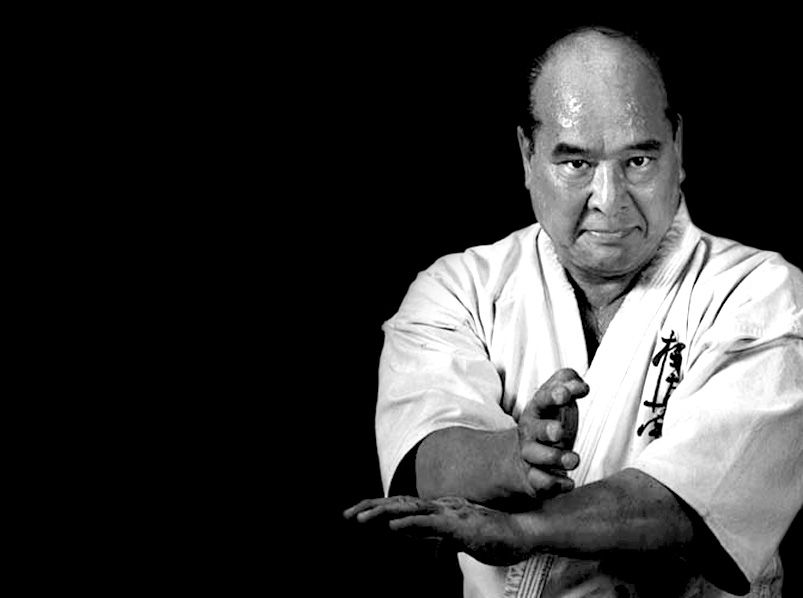
"Godhand"
In order to promote his style of karate, he fought a multitude of bulls with his bare hands. In 1952, he left for the United States for a year, during which time he faced some 270 fighters of all styles. Mas Oyama defeated most of them with a single punch. A fight lasted no more than three minutes on average, most of them only a few seconds. This earned him the nickname "Godhand".
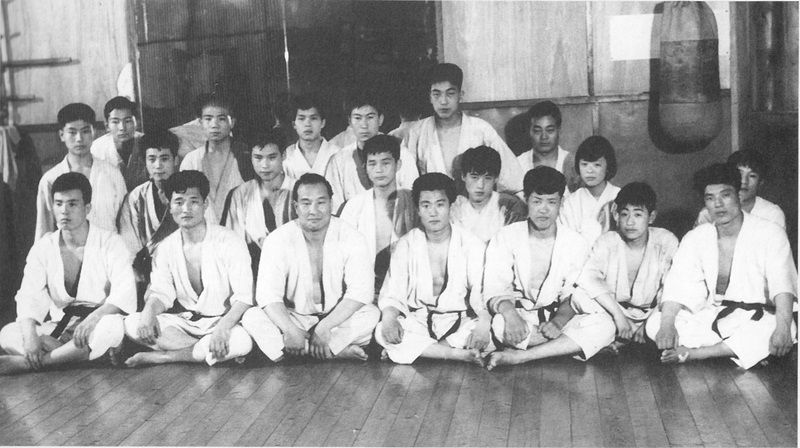
From the First Dojo to Honbu
Mas Oyama began teaching in 1953 in Tokyo, in a public park. He opened his first real dojo in 1956 in a building formerly occupied by a ballet school. This dojo was located behind Rikkyo University, 500 meters from the current Honbu. By 1957, the dojo already had more than 700 members, despite the high dropout rate due to the harsh training conditions.
Mas Oyama combined the best techniques from all the styles he studied and practiced to create his own style: Kyokushin Kai Kan karate.
The global headquarters, Honbu Dojo, was inaugurated in 1964 and the name "Kyokushin" was adopted. That same year, the International Karate Organization (IKO) was founded. Since then, Kyokushin karate has spread to more than 120 countries, attracting more than 10 million practitioners. It is one of the most widespread styles of karate in the world.
End of Life & Estate Planning
Mas Oyama died on April 26, 1994, from lung cancer.
His successor is Shokei Matsui (8th dan). Born in 1963, Shokei Matsui began karate at the age of 13. At 22, he won the 12th All Japan Open Tournament. In 1987, he won the 4th World Open Karate Tournament. In 1986, he took the kumite test against 100 people (Hyakunin Kumite). He passed the test with the highest percentage of knockouts and victories.

The Kanji
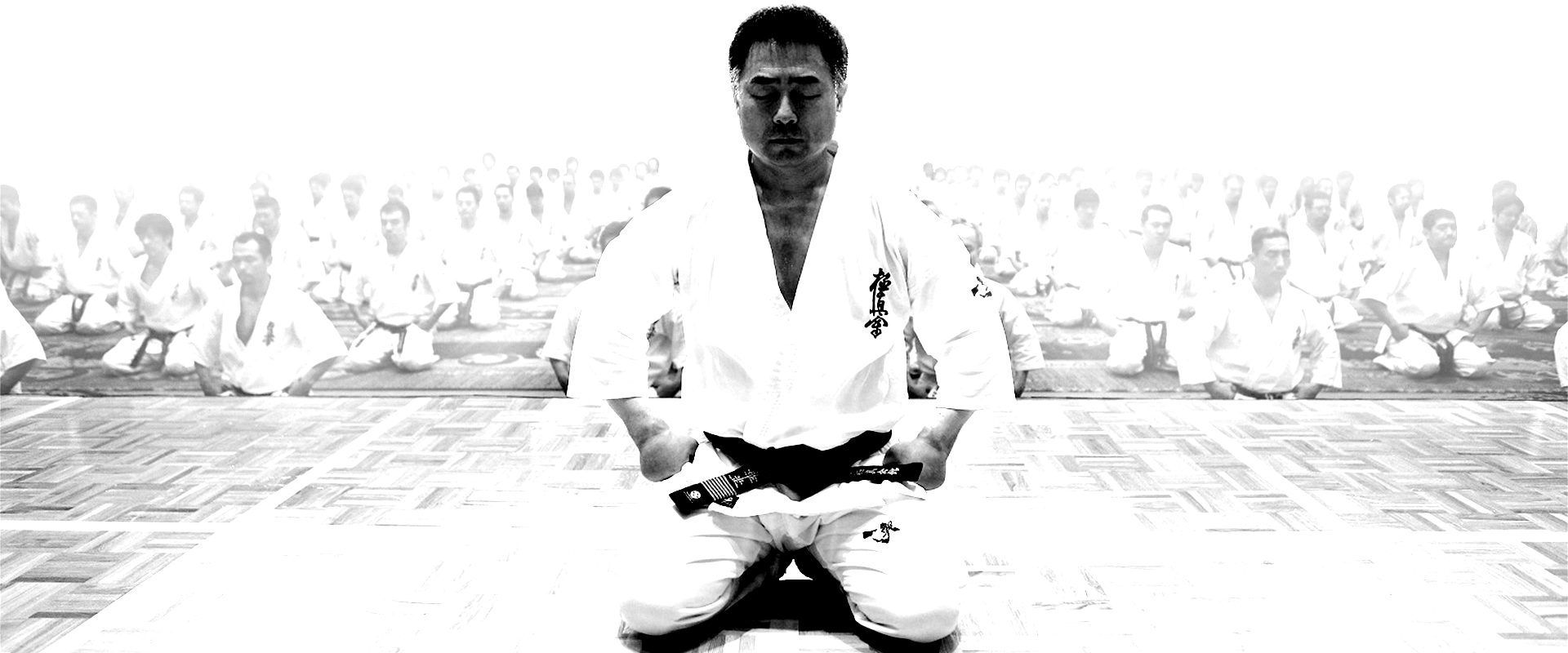
The name Kyokushinkai was given by Sosai Mas Oyama to the style of karate he created. The kanji Kyokushinkai is displayed on dogis. It is composed of three characters and combines "Ultimate", "Truth", and the idea of "Association".
The Kanku
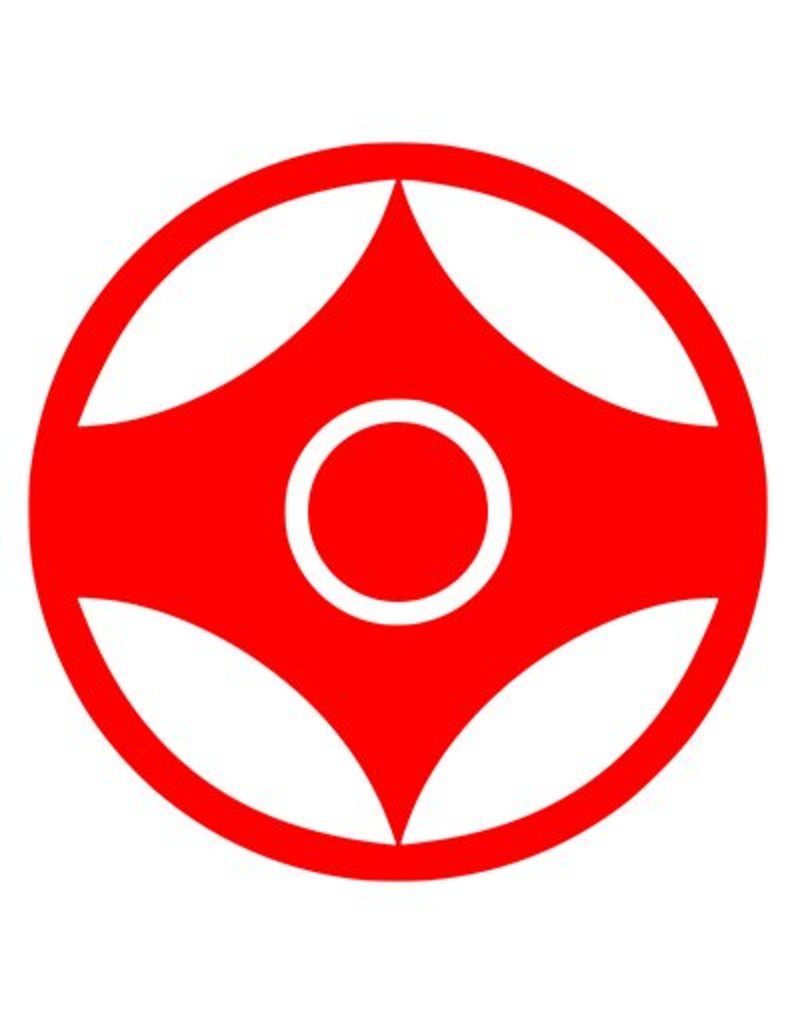
Kanku is the symbol of Kyokushin Karate. Literally, Kanku means "to look at the sky". Kanku is also the name of one of the Kyokushin Katas. It is recognizable by the position of the hands, which are joined only at the fingertips and raised upward to look at the sky.
Purity
Stability
Adaptability
Affirmation
Sensibility
Maturity
Autonomy
Speed
Flexibility
Stability of positions
For every action there is an equal and opposite reaction
Energy must be concentrated on the smallest possible surface area